Ozempic is a prescription medication used to manage Type 2 Diabetes in adults. It contains the active ingredient semaglutide, which helps regulate blood sugar levels. Although it is designed for diabetes treatment, Ozempic has become widely known in the U.S. for its weight loss effects, leading many doctors to prescribe it in certain cases for weight management. It is administered as a once-weekly injection, making it convenient compared to daily medications.
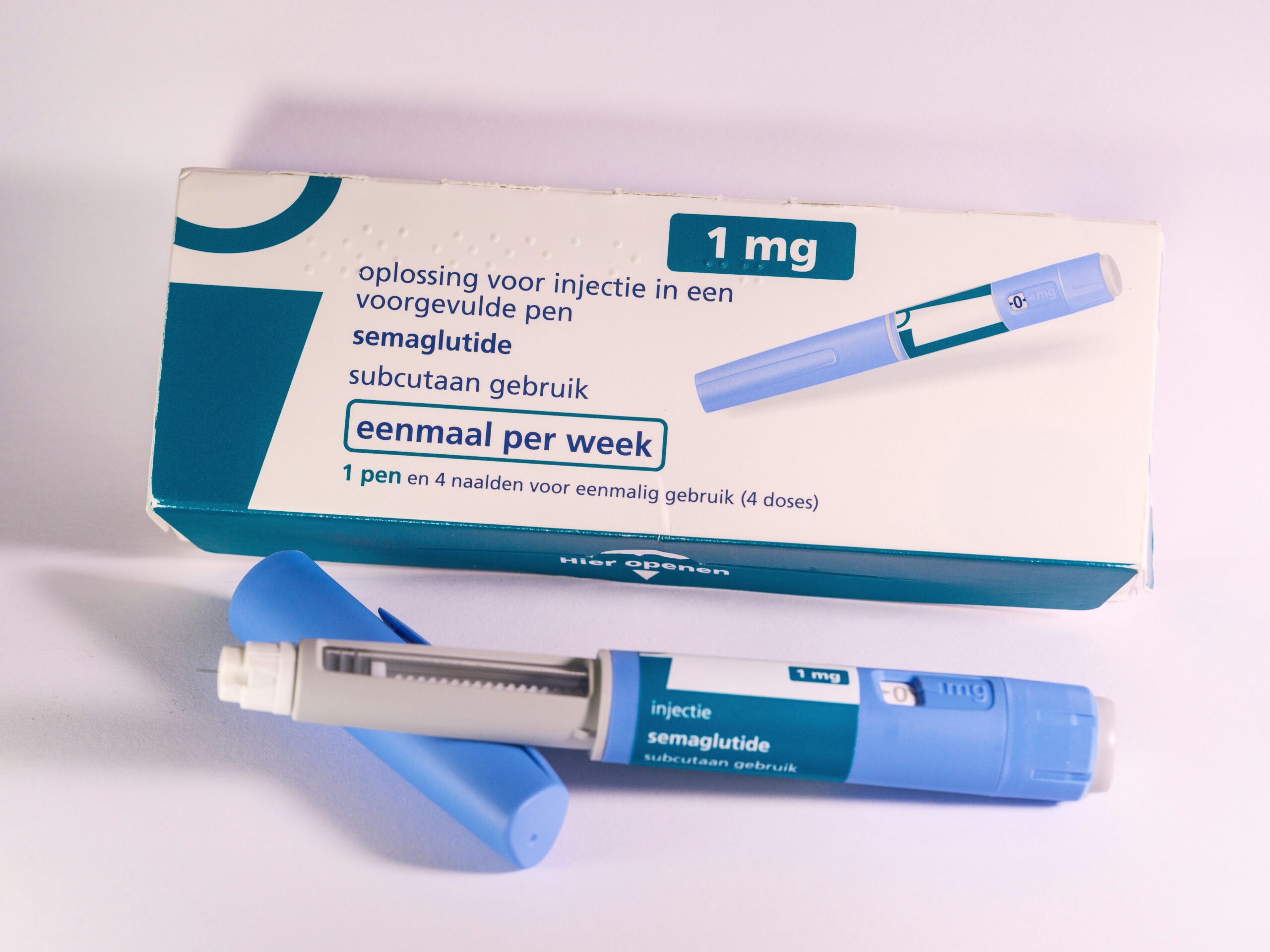
Complete Guide to Ozempic for Weight Loss & Diabetes Management
How Does Ozempic Work
Ozempic works by mimicking a natural hormone in your body called GLP-1 (glucagon-like peptide-1). This hormone plays a key role in controlling blood sugar, digestion, and appetite. The active ingredient in Ozempic, semaglutide, acts like GLP-1 but lasts much longer in the body—allowing it to work with just a once-weekly injection.ADS
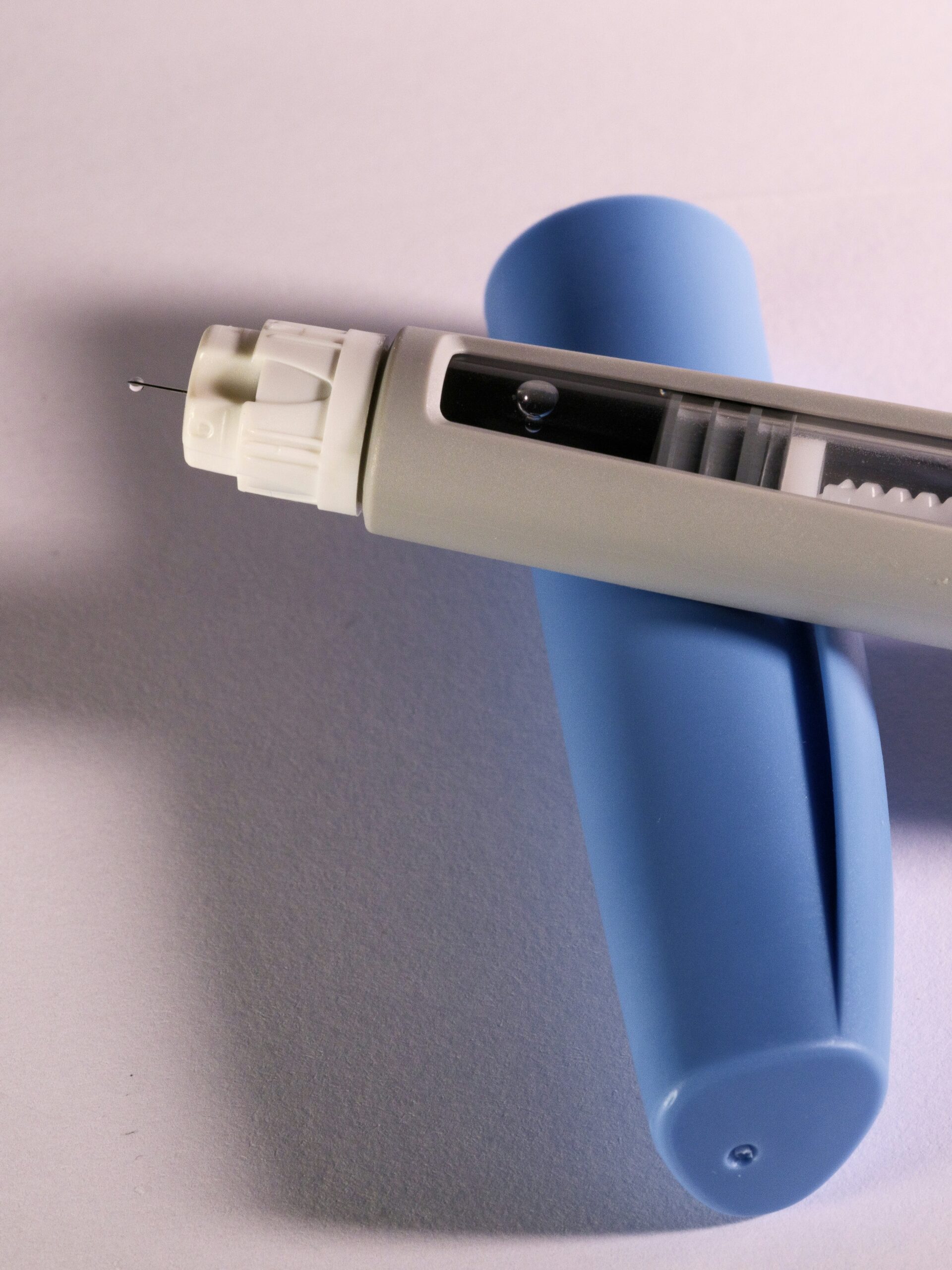
- When you eat, your blood sugar rises. Ozempic helps your pancreas release insulin, but only when glucose levels are high.
- Reduces risk of sugar spikes after meals
- Works safely without causing excessive insulin release
- Helps stabilize glucose levels between meals and overnight.
- Less sugar is released into the bloodstream
- Better portion control
- Feeling full for a longer time
- Reduced hunger between meals
- Lower risk of heart attack
- Reduce stroke risk
- Improve cardiovascular outcomes in patients
Acts on the Brain to Reduce Appetite:
Ozempic directly affects appetite centers in the brain.
It helps:
- Reduce cravings (especially for high-calorie foods)
- Decrease emotional eating
- Lower overall calorie intake
- Effective Blood Sugar Control
- Supports Weight Loss
- Heart Health Benefits
- Convenient Weekly Dose
- Clinically Backed
-
Not Suitable for Everyone:
-
Cost Can Be High:
-
Prescription Required:
-
Not a “Magic Solution”:
- Diet
- Excercise
- Lifestyle habits
- Blood sugar levels
- Insulin release
- Appetite and hunger signals
- Water for injection
- Preservatives
- pH-balancing agents
Stimulates Insulin Release (When Needed):
When you eat, your blood sugar rises. Ozempic helps your pancreas release insulin, but only when glucose levels are high.
why this matters:
Reduces Glucagon (Sugar-Producing Hormone):
Ozempic lowers the release of glucagon, a hormone that tells your liver to produce sugar.
Effect:
Slows Down Digestion (Gastric Emptying):
Ozempic delays how quickly food leaves your stomach
This leads to:
Improves Heart Health:
Pros of Ozempic
Helps manage glucose levels in people
Users often experience reduced hunger and gradual weight loss.
May lower the risk of heart attack and stroke in certain patients.
Only one injection per week—easy to maintain.
Approved by the U.S. Food and Drug Administration and supported by research.

Cons of Ozempic
People with certain conditions (like thyroid issues or pancreatitis) should avoid it.
Without insurance, it may be expensive for many users.
You cannot buy Ozempic over the counter in the U.S.
What Ingredient Is Used in Ozempic?
The main and most important ingredient in Ozempic is semaglutide.
What is Semaglutide?
Semaglutide is a lab-made compound that mimics a natural hormone in your body called GLP-1 (glucagon-like peptide-1). This hormone plays a key role in controlling:
Other (Inactive) Ingredients
Besides semaglutide, Ozempic also contains small amounts of inactive ingredients that help stabilize the medication and keep it safe for use.
These may include:
Bottom Line
Ozempic is a clinically proven medication that helps manage Type 2 Diabetes and can support weight loss by controlling appetite and blood sugar levels. While it offers significant health benefits, it is not a quick fix and should only be used under medical supervision. For best results, it works most effectively when combined with a healthy diet and regular exercise.
Related Reviews



Reader Reviews
Be the first to leave a review!
Leave a Review
Share your experience — your feedback helps other readers make informed decisions.