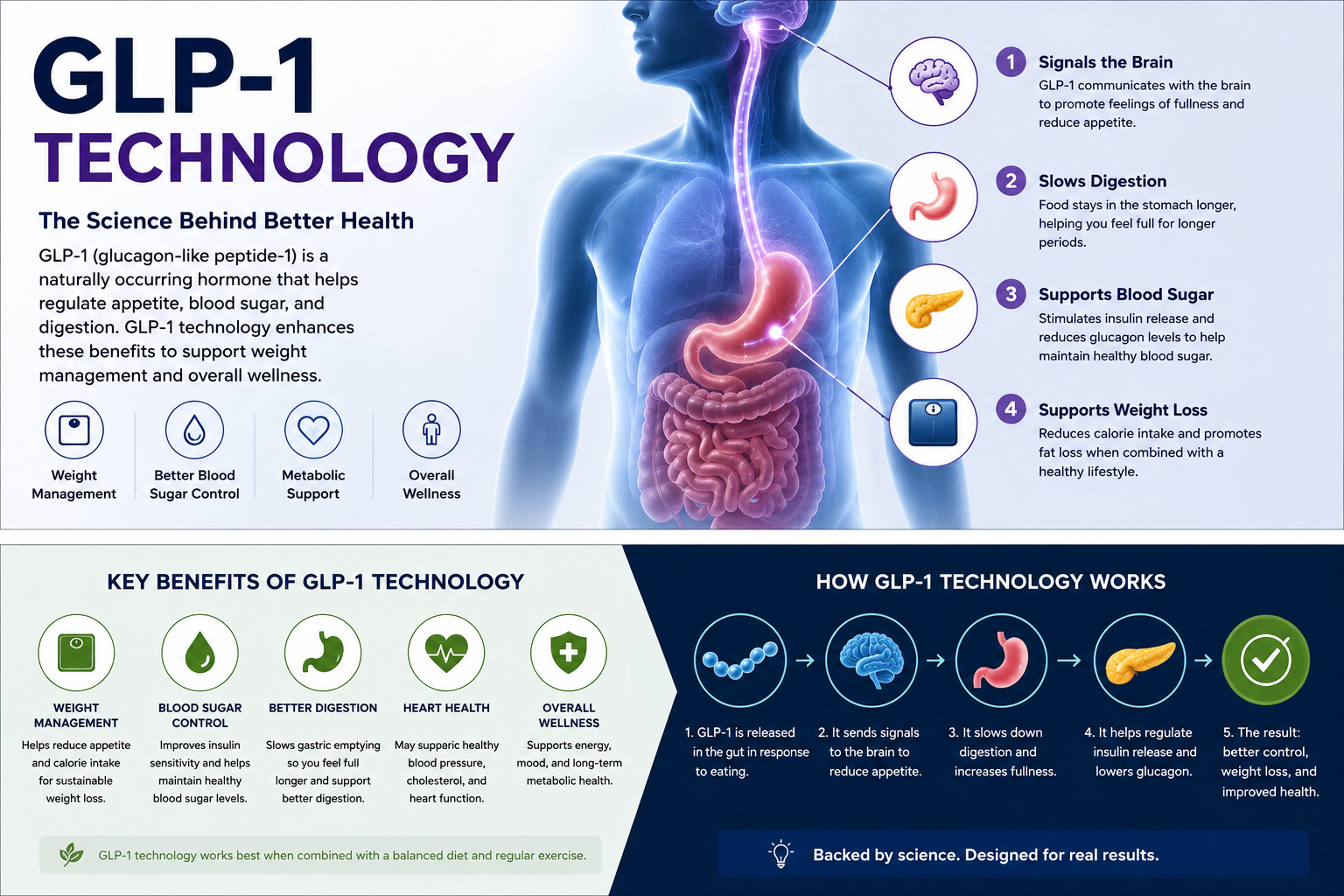
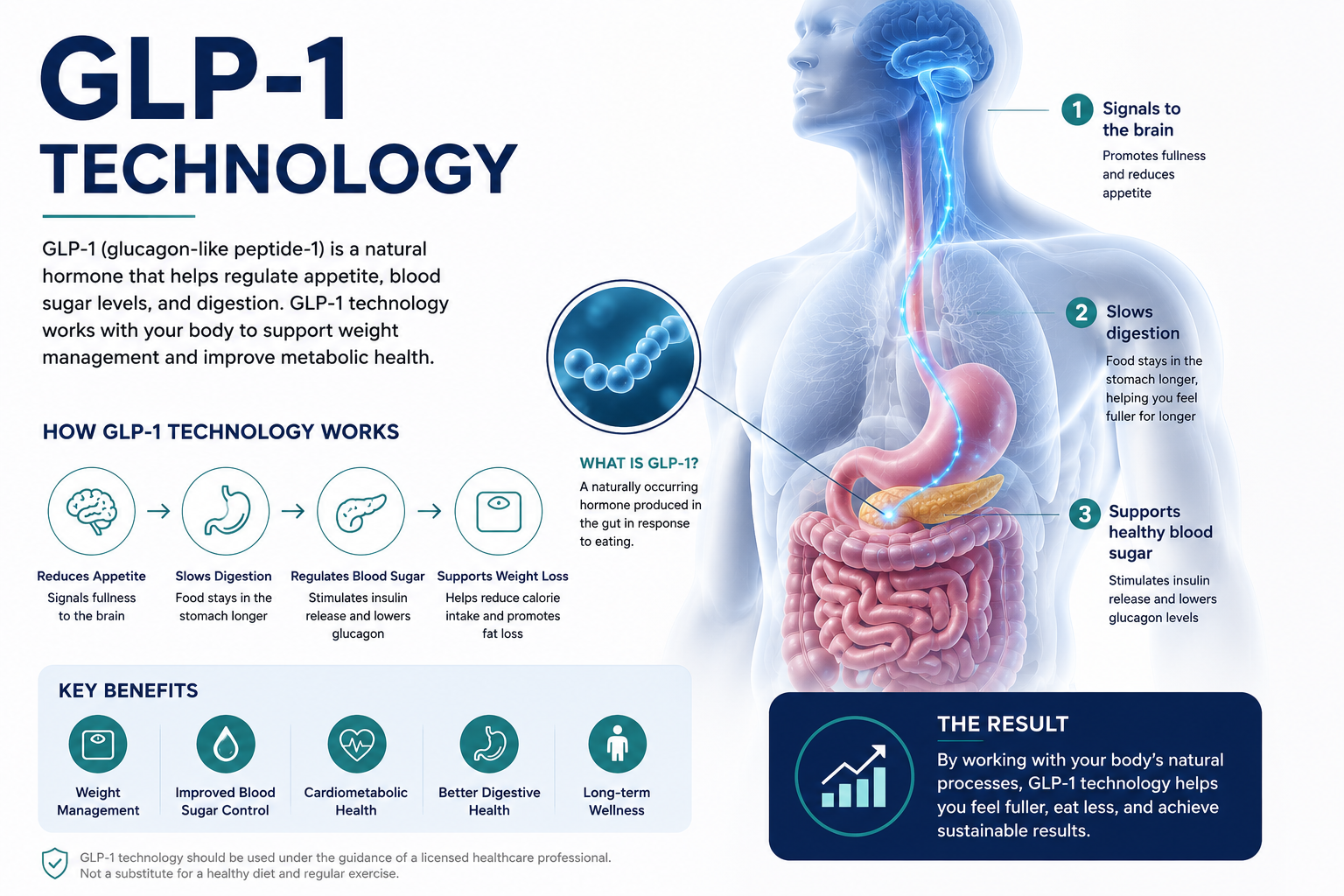
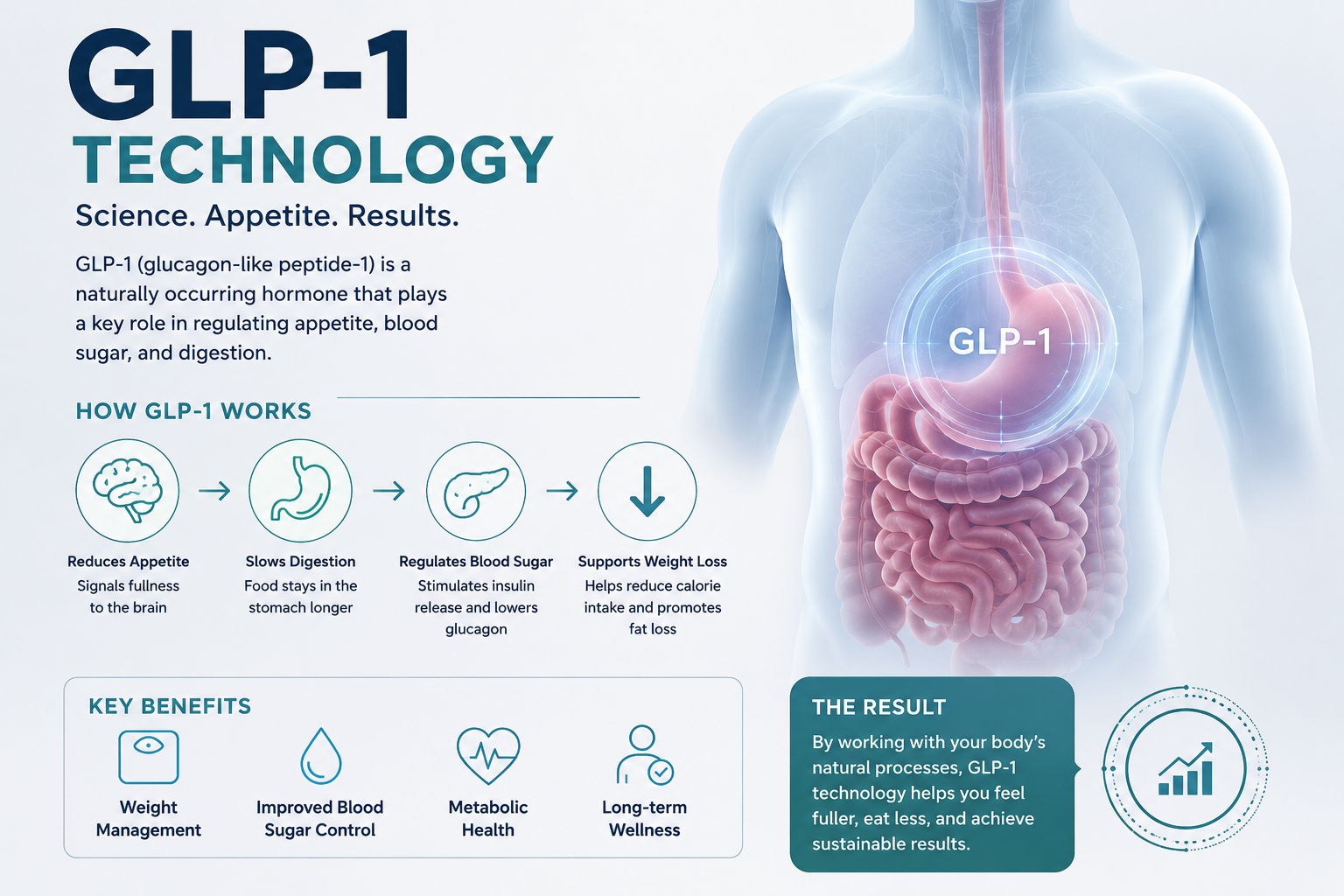
GLP-1 (Glucagon-Like Peptide-1) is a naturally occurring hormone that plays an important role in regulating blood sugar levels, appetite, and digestion. In recent years, GLP-1–based medications have transformed the treatment of type 2 diabetes and obesity, helping millions of people achieve better blood sugar control and meaningful weight loss under medical supervision. At TrueValueReviews, we provide evidence-based information to help you understand how GLP-1 therapies work, who they may be appropriate for, their potential benefits, possible side effects, and the latest research. Our goal is to simplify complex medical topics so you can make informed decisions and have productive conversations with your healthcare provider.
In-Depth Reviews of Popular GLP-1 Medications
Choosing the right GLP-1 medication can be challenging, especially with several treatment options available for weight loss and type 2 diabetes. Our comprehensive reviews examine the most widely prescribed GLP-1 medications, including Ozempic®, Wegovy®, Mounjaro®, Zepbound®, Saxenda®, Rybelsus®, Victoza®, and other emerging therapies. Each review provides an unbiased overview of how the medication works, its FDA-approved uses, expected weight loss results, dosage options, common side effects, safety considerations, pricing, insurance coverage, and overall effectiveness based on clinical research. We also compare medications side by side to help you understand their similarities and differences, making it easier to discuss the best treatment option with your healthcare provider. Whether you're considering your first GLP-1 prescription or comparing the latest medications, our evidence-based reviews are designed to help you make informed decisions with confidence.

Benefits and Potential Side Effects of GLP-1 Therapy
GLP-1 therapy has become an important treatment option for people managing certain health conditions, particularly type 2 diabetes and obesity. GLP-1 refers to glucagon-like peptide-1, a hormone that helps regulate blood sugar, appetite, and digestion. Medications that activate the GLP-1 receptor can support blood glucose control and, for some people, significant weight loss. Because GLP-1 medications can affect several systems in the body, it is important to understand both their potential benefits and possible side effects before starting treatment. The right medication and dose depend on individual health needs and should be determined with a qualified healthcare professional.
Potential Benefits of GLP-1 Therapy
- Supports Blood Sugar Control
- May Support Weight Loss
- May Provide Cardiovascular Benefits for Certain Patients
- May Improve Several Metabolic Health Measures :
GLP-1 receptor agonists can help lower blood glucose levels in people with type 2 diabetes. They work by increasing insulin release when blood sugar is elevated and reducing the amount of glucose released by the liver. These effects can help improve overall blood sugar management when combined with appropriate diet, exercise, and other treatments.
One of the most recognized benefits of certain GLP-1-based medications is their ability to reduce appetite and increase feelings of fullness. By helping people eat less, these medications can contribute to substantial weight loss in appropriate patients. Weight-loss results vary considerably from person to person and depend on factors such as the specific medication, dose, treatment duration, diet, physical activity, and individual health characteristics.
Some GLP-1 medications have demonstrated cardiovascular benefits in specific groups of people with type 2 diabetes or cardiovascular disease. Depending on the medication and the patient's health profile, treatment may help reduce the risk of certain major cardiovascular events. However, cardiovascular benefits are not identical across every GLP-1 medication, so patients should discuss their individual risk factors and treatment options with their healthcare provider.
Weight loss and improved blood sugar control can have broader effects on metabolic health. For some people, GLP-1 treatment may contribute to improvements in measures such as blood pressure and certain cholesterol levels, particularly when accompanied by healthy lifestyle changes.
Common Side Effects of GLP-1 Therapy
Although GLP-1 medications can provide significant benefits, they can also cause side effects. Gastrointestinal symptoms are among the most commonly reported, particularly when treatment is first started or the dose is increased .
- Nausea:
- Vomiting
- Diarrhea :
- Constipation:
- Gallbladder Problems:
- Pancreatitis:
- Hypoglycemia:
- Less Common but Important Risks
Nausea is one of the most common side effects. It may be more noticeable during the early stages of treatment and may improve as the body adjusts. Eating smaller meals and avoiding foods that trigger symptoms may help some people, but persistent or severe nausea should be discussed with a healthcare professional.
Some people may experience vomiting, especially after starting treatment or increasing the dose. Repeated vomiting can contribute to dehydration and may require medical attention.
Changes in digestion can cause diarrhea in some patients. Staying adequately hydrated is important, particularly if diarrhea is persistent.
Constipation can also occur. Drinking enough fluids, eating an appropriate amount of dietary fiber, and maintaining physical activity may help, although people should seek professional advice if constipation is severe or persistent.
Rapid or significant weight loss can increase the risk of gallstones, and some GLP-1 medications have been associated with gallbladder-related problems. Severe or persistent abdominal pain should be evaluated by a healthcare professional.
Pancreatitis, or inflammation of the pancreas, has been reported in people taking some GLP-1 medications. Severe, persistent abdominal pain—particularly pain that may extend to the back—requires prompt medical evaluation.
 Shop on Amazon.com →
GLP-1 medications generally have a lower risk of causing low blood sugar when used alone than some other diabetes medications. However, the risk can increase when they are combined with insulin or certain medications that increase insulin production. People taking multiple diabetes medications should follow their healthcare provider's instructions carefully.
Not every side effect is minor. GLP-1 medications have important warnings and precautions that vary by medication.
Who Should Talk to a Healthcare Professional Before Using GLP-1 Medication?
GLP-1 therapy is not appropriate for everyone. Before starting treatment, a healthcare professional should review your medical history, current medications, allergies, and other relevant health factors. Some GLP-1 medications have specific contraindications and warnings, including concerns related to certain thyroid tumors, pregnancy, severe gastrointestinal conditions, pancreatitis, gallbladder disease, or kidney problems. The exact precautions differ between medications. Never start, stop, or change the dose of a prescription GLP-1 medication without medical guidance.
How to Manage Common Side Effects
People starting GLP-1 therapy are often advised to follow their prescribed dose-escalation schedule rather than increasing the dose faster than recommended. Eating smaller portions, eating slowly, staying hydrated, and choosing balanced meals may help with some gastrointestinal symptoms. If side effects become severe, persistent, or interfere with normal activities, contact your healthcare provider. They may adjust the treatment plan or determine whether another option is more appropriate.
GLP-1 Therapy Works Best as Part of a Broader Plan
Medication is only one component of long-term health management. For people using GLP-1 therapy for weight management or diabetes, healthy eating, regular physical activity, adequate sleep, and ongoing medical care can all play important roles. The amount of weight loss or improvement in blood sugar varies between individuals. Results should be evaluated over time rather than based solely on short-term changes.
system helpful since it removes much of the confusion around dieting. However, some customers feel the program can become expensive over time, and opinions about meal taste and customer support may vary from person to person.Bottom Line
GLP-1 therapy can offer meaningful benefits for appropriate patients, including improved blood sugar control, reduced appetite, and weight loss. Some medications in this class may also provide additional cardiovascular benefits for specific populations. At the same time, gastrointestinal symptoms such as nausea, vomiting, diarrhea, constipation, and abdominal discomfort are relatively common. More serious complications can occur less frequently, which is why medical supervision is important. If you are considering GLP-1 therapy, discuss the potential benefits, risks, alternatives, and expected outcomes with a qualified healthcare professional. The best treatment choice depends on your individual medical history, health goals, and the specific medication being considered. Medical Disclaimer: This article is for general educational purposes only and is not a substitute for professional medical advice, diagnosis, or treatment. Always consult a qualified healthcare professional before starting, stopping, or changing any medication.
Related Reviews