Intermittent fasting is an eating pattern that cycles between periods of eating and periods of fasting. Instead of focusing mainly on specific foods, it focuses on the timing of meals. During the fasting period, people either avoid food completely or consume very few calories, while eating normally during the designated eating window. Many people follow intermittent fasting for benefits such as weight management, improved metabolism, better energy levels, and healthier eating habits.
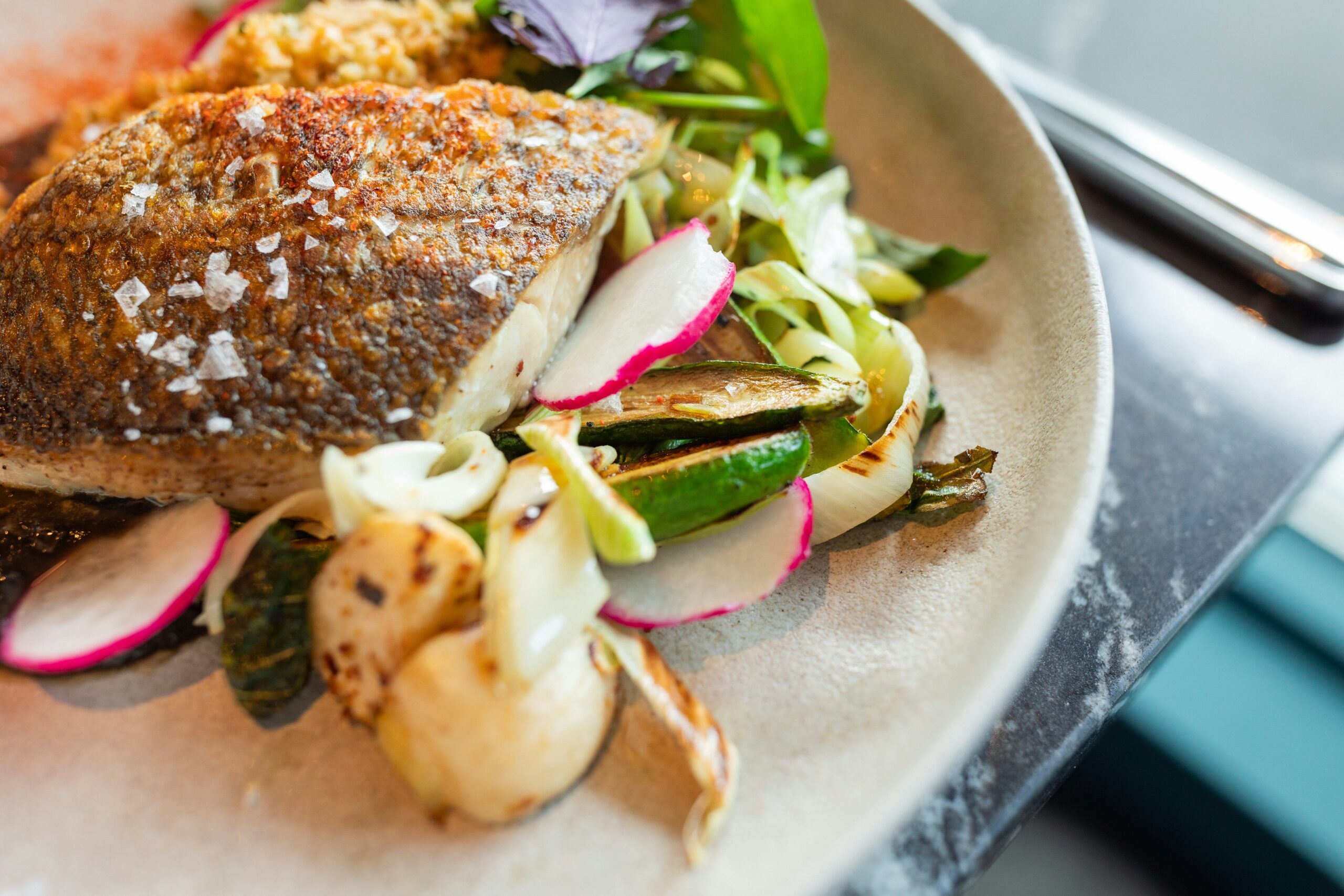
Intermittent Fasting Meal Plan (16:8 Method) – Guide
The 16:8 intermittent fasting method is one of the most beginner-friendly and widely followed eating patterns in the USA. It involves fasting for 16 hours and eating all your meals within an 8-hour window. The key to success is not just timing, but also choosing the right foods during the eating window to support energy, metabolism, and fat loss.
Fasting Window (16 Hours) – What Happens and What You Can Consume
During the fasting period, your body is not digesting food, which allows it to use stored energy (fat) for fuel. This is one of the main reasons intermittent fasting supports weight loss. Typical fasting schedule: 8:00 PM to 12:00 PM (next day) During this time, you should avoid any calorie intake. However, you can consume:
- Oatmeal with chia seeds, nuts, and berries.
- Greek yogurt with honey and fresh fruits
- Scrambled or boiled eggs with whole grain toast
- Smoothie made with banana, protein powder, and almond milk
- Grilled chicken, turkey, or paneer.
- Brown rice, quinoa, or whole wheat roti
- Fresh salad with cucumbers, tomatoes, spinach, and olive oil
- Avocado or nuts for healthy fats
- A handful of almonds, walnuts, or cashews
- One apple, banana, or berries
- Protein shake or smoothie (low sugar)
- Steamed vegetables or sautéed greens
- Grilled fish, chicken, or tofu
- Light soup or lentil (dal)
Common Mistakes to Avoid While Intermittent Fasting:
- Fried foods
- Heavy creamy dishes
- Excess sugar or refined carbs
- Drink 2–3 liters of water daily
- Add lemon to water for freshness and digestion support
- Try light walking or stretching during fasting hours
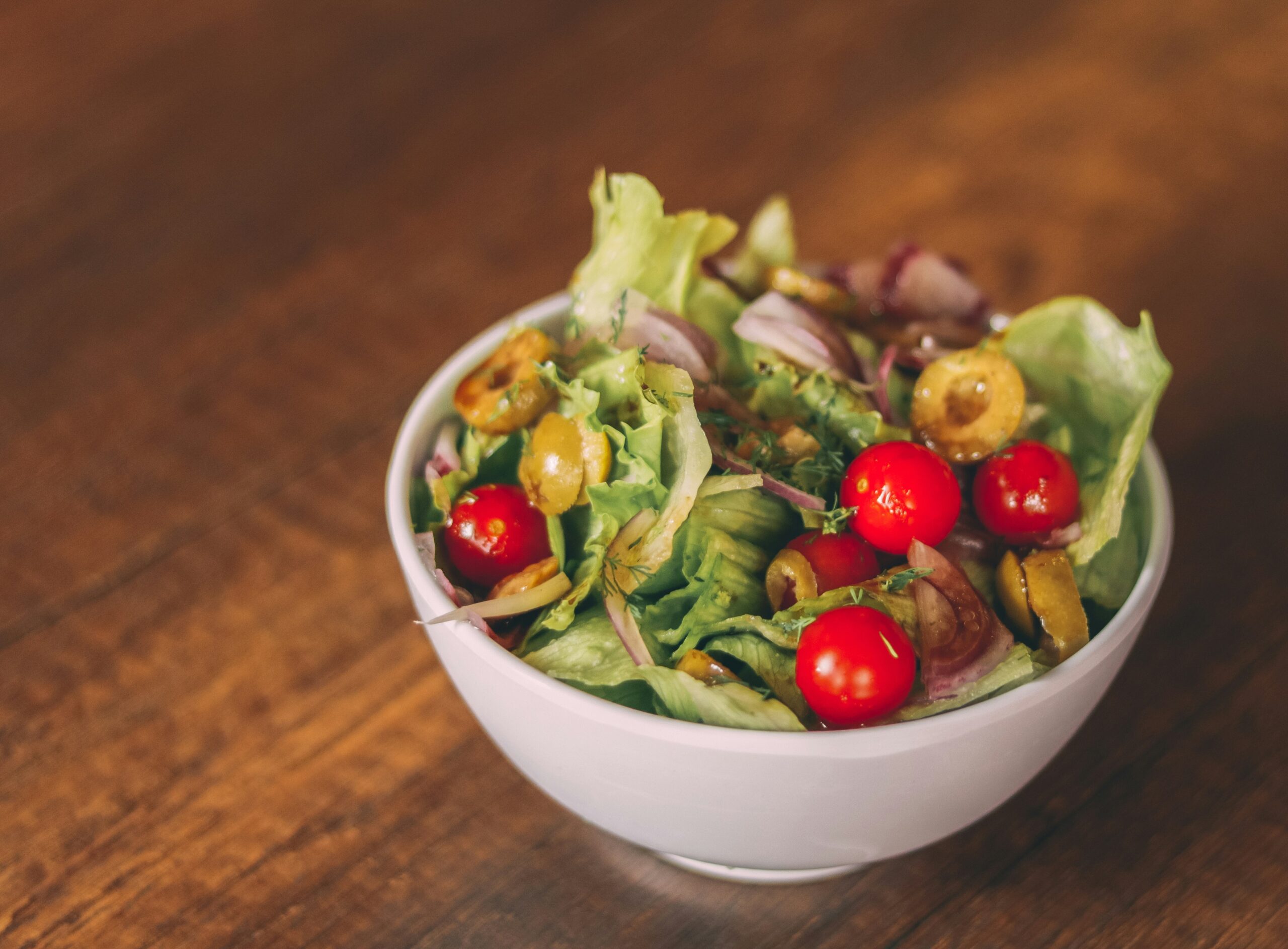
Meal 1: First Meal (Breaking the Fast – 12:00 PM):

This is the most important meal because your body is coming out of a fasting state. You should not overload it with heavy or junk food. The goal is to provide gentle nourishment and stable energy.
Best options include:
Why it matters::
After fasting, your insulin sensitivity is improved, so nutrient absorption is more efficient. A balanced meal helps stabilize blood sugar and prevents energy crashes later.
Meal 2: Lunch (2:30 PM – 3:30 PM):
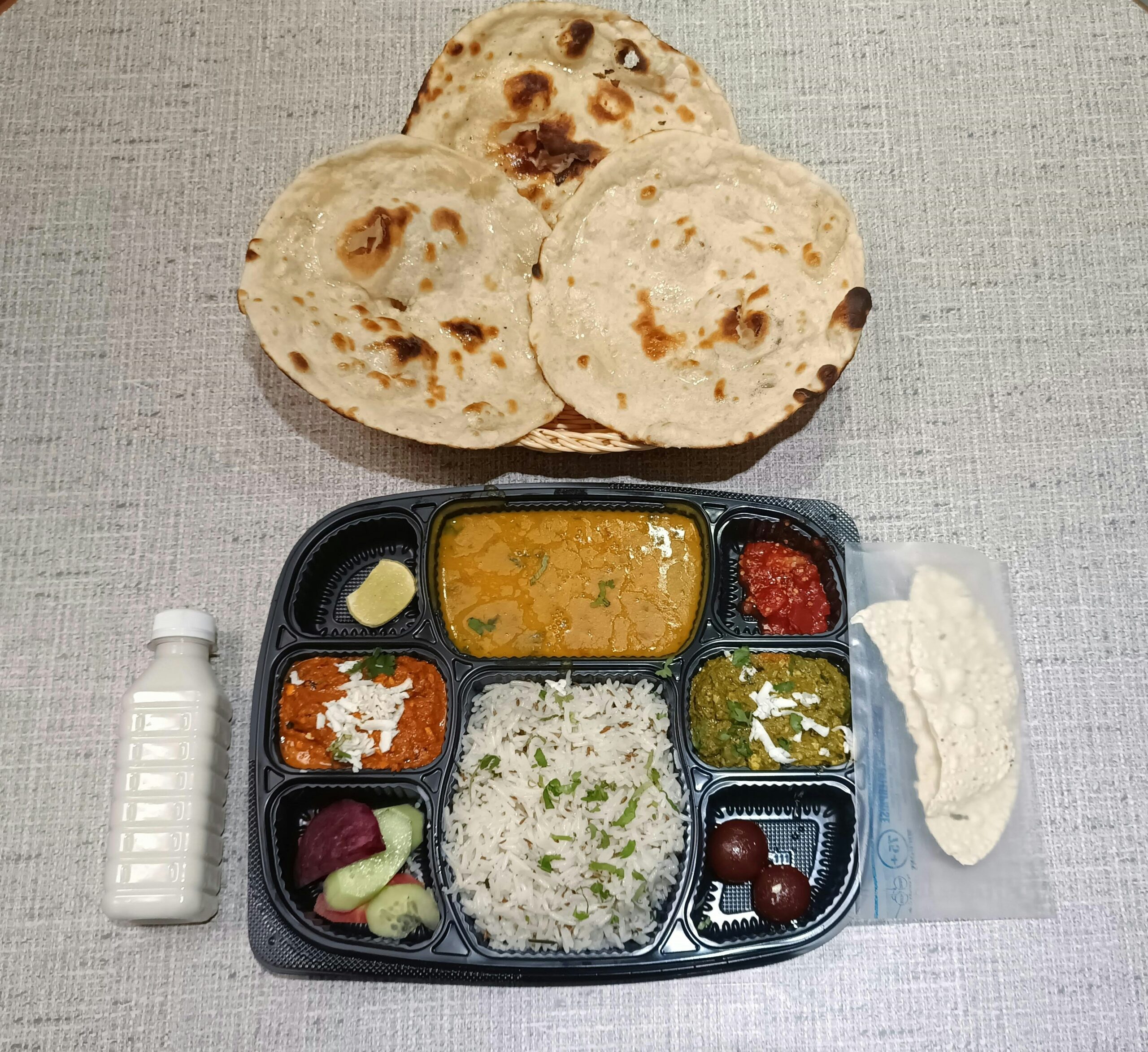
Lunch is your main energy-building meal of the day. It should be well-balanced with protein, complex carbohydrates, and healthy fats.
Recommended options:
Why it matters::
This meal supports muscle recovery, keeps you full longer, and provides sustained energy for the afternoon.
Snack (Optional – 5:00 PM):
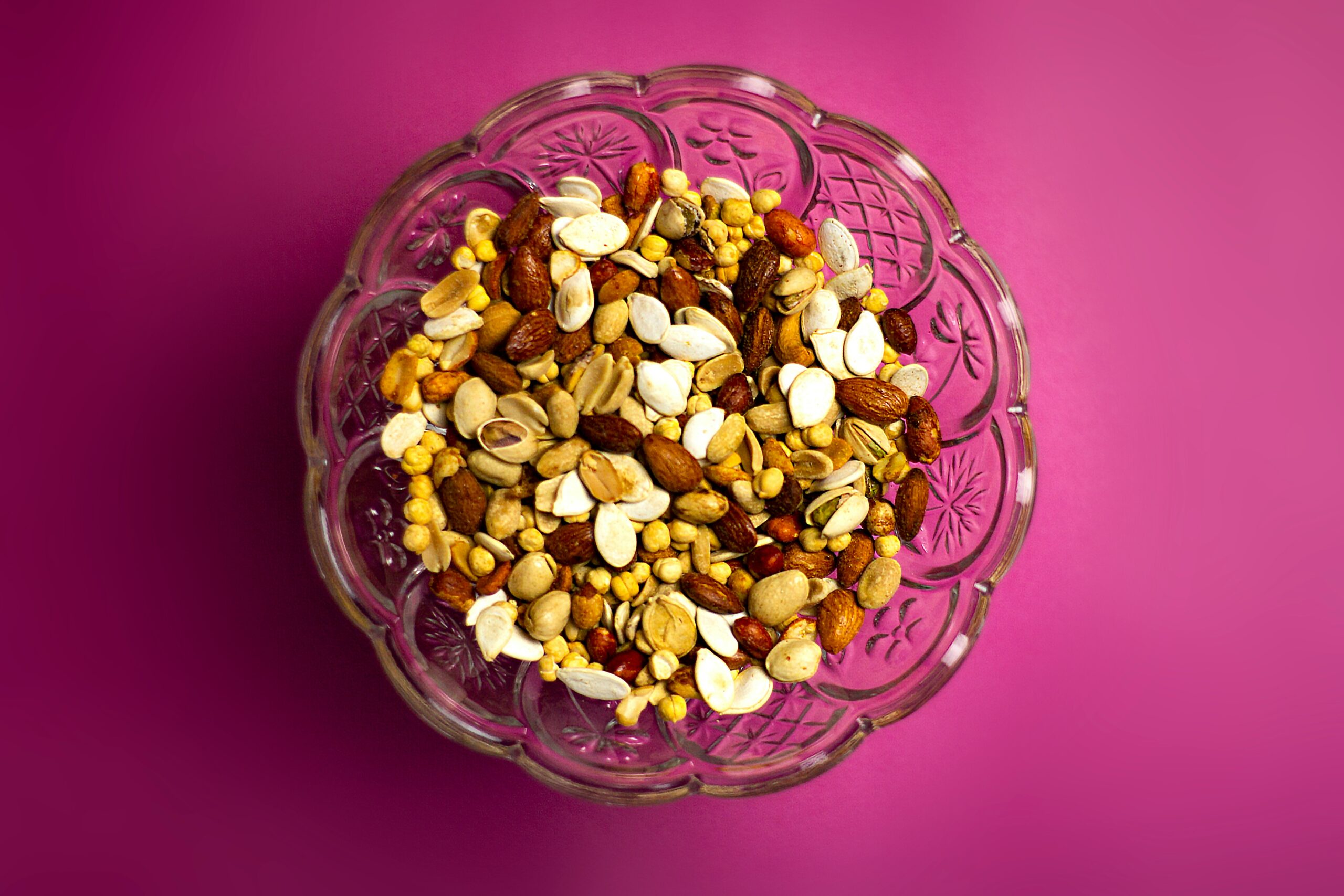
A light snack helps prevent overeating during dinner and keeps your metabolism steady
Healthy snack ideas:
Why it matters:
Prevents hunger spikes and helps maintain stable energy levels without overeating.
Meal 3: Dinner (7:00 PM – 8:00 PM):
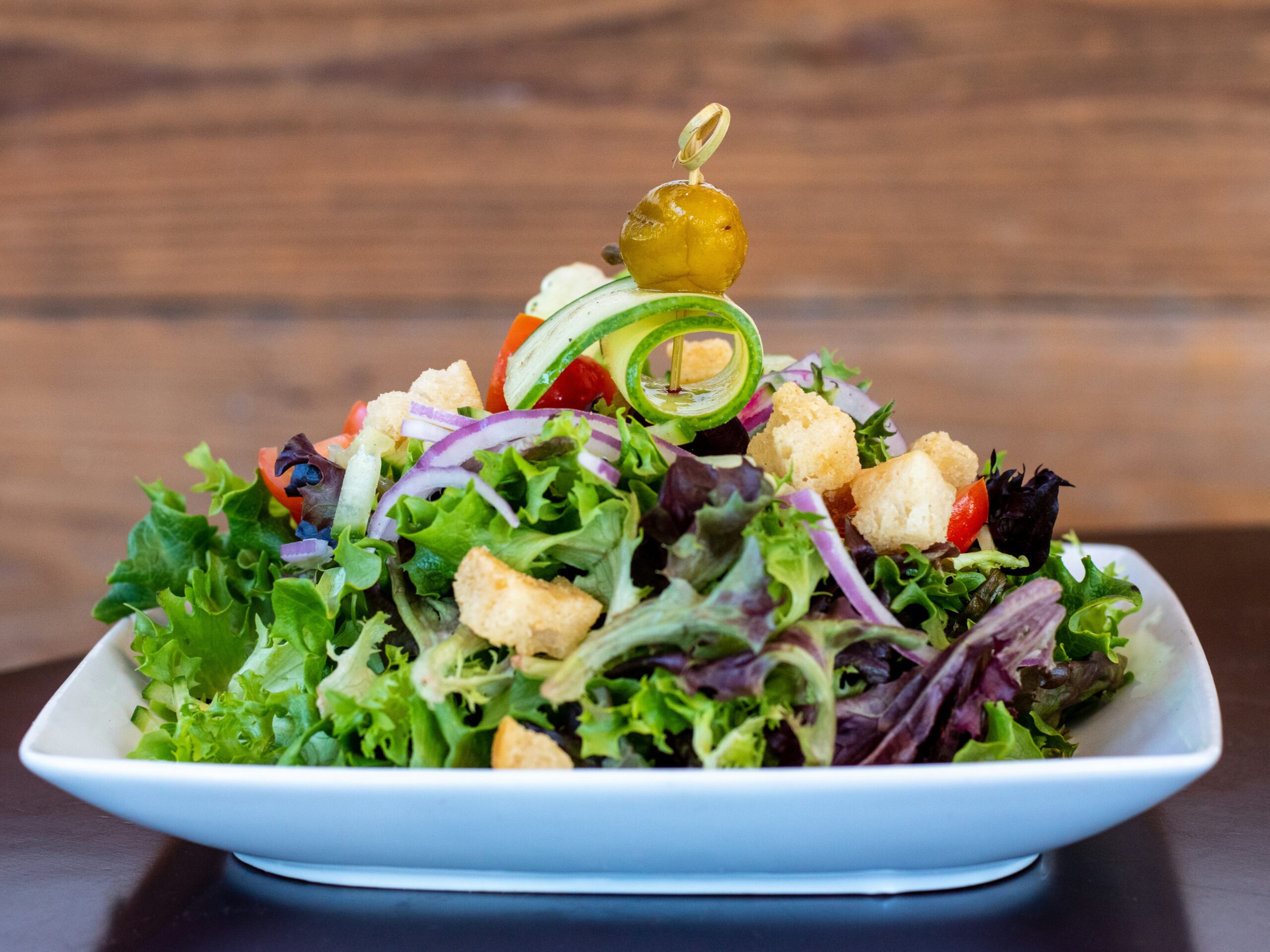
Dinner should be lighter than lunch because your body is preparing for another fasting cycle.
Good dinner options:
Why it matters:
A lighter dinner improves digestion, promotes better sleep, and supports fat burning during the overnight fast.
Hydration & Lifestyle Tips

Bottom Line
Intermittent fasting is more than just a popular diet trend—it is a flexible lifestyle approach that can support weight management, better eating habits, and overall wellness when followed correctly. By focusing on when you eat rather than strict food restrictions, intermittent fasting allows many people to create a healthier relationship with food while improving energy levels and metabolic health. From supporting fat loss to promoting better digestion and mental focus, its benefits have made it one of the most widely followed health practices in the USA. However, long-term success depends on consistency, balanced nutrition, proper hydration, and listening to your body’s needs. When combined with healthy meals and an active lifestyle, intermittent fasting can become a sustainable and effective path toward better health and improved daily living.
Related Reviews



Reader Reviews
Be the first to leave a review!
Leave a Review
Share your experience — your feedback helps other readers make informed decisions.